
Services
Crowns
We restore damaged or weakened teeth with custom crowns, with early morning, evening, and weekend appointments available.

Why choose us
Benefits of Crowns
Protect Weakened Teeth
A crown covers and strengthens a tooth that is cracked, worn, or heavily filled so you can chew with confidence.
Natural-Looking Results
We shape and shade each crown to blend in with your surrounding teeth.
Comfort-Focused Care
We offer local anesthesia, nitrous oxide, and IV sedation if you feel anxious about dental visits.
Appointments That Fit
Early morning, late evening, and weekend times make it easier to fit treatment into your schedule.
Flexible Payment Options
We accept most dental insurance plans and self-pay patients, and offer financing through Sunbit and CareCredit.
Maybe you bit down on something hard and felt a piece of a back tooth give way. Maybe an old filling has grown so large that the tooth around it feels fragile, or you just finished a root canal and want that tooth protected for the long haul. A dental crown is often the answer in each of these situations. Our team at Anytime Dental in Phoenix places crowns regularly, and we want you to understand exactly what one does before you decide.
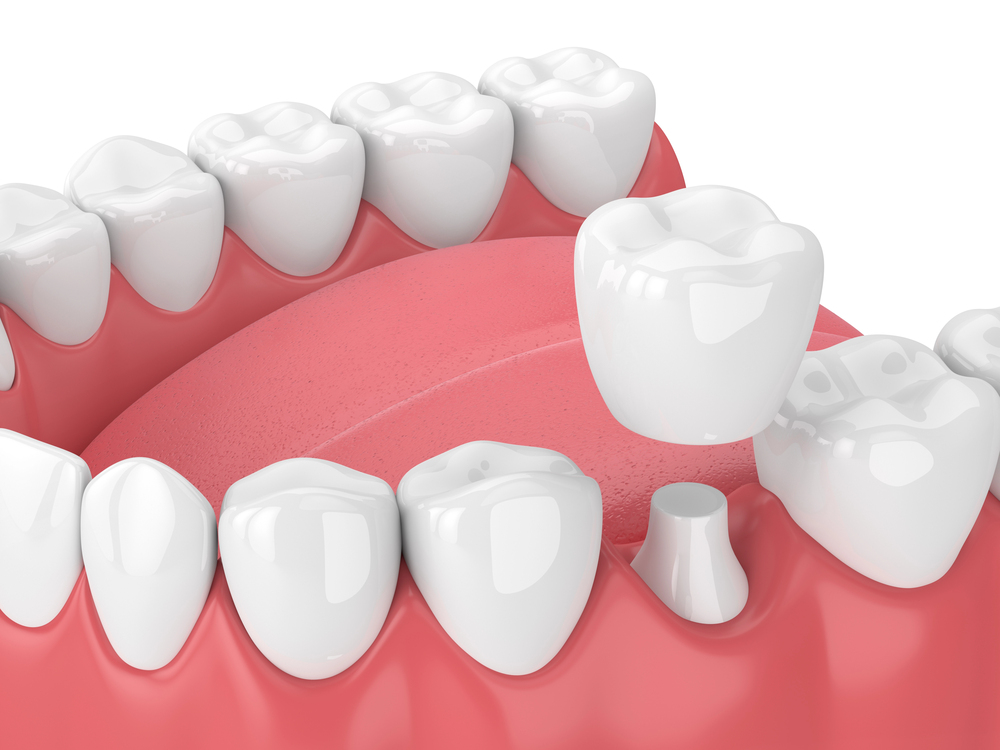
A crown is a custom-made cap that covers the entire visible portion of a tooth above the gumline. Unlike a filling, which repairs only a small area, a crown surrounds the tooth and holds it together. That makes it a strong choice when damage is too extensive for a filling to handle. It also restores the tooth's shape, so you can chew comfortably and smile with confidence again.
Crowns help a wide range of patients. We commonly recommend them for teeth that are cracked, broken, or worn down, and for teeth weakened by large cavities or older restorations. Because crowns are also part of how bridges and dental implants work, they play a role in tooth replacement too. In every case, the goal is the same: keep your bite functional and protect what remains of the natural tooth.
Crown treatment begins with a dental exam, where one of our dentists evaluates the tooth and talks with you about what we find. If a crown is the right fit, we numb the area with local anesthesia and gently reshape the tooth so the crown can sit securely over it. We then capture the tooth's shape so the crown can be made to fit your bite. You leave with a temporary crown and return for the final crown once it is ready.
For patients who feel anxious about dental work, we offer nitrous oxide and IV sedation in addition to local anesthesia. Our team includes Dr. Ermias Mehretab, Dr. Zachary Coleman, and Dr. Andrew Kassman, and we take time to explain each step so nothing feels rushed or surprising.
Why might I need a crown instead of a filling?
You may need a crown when too much of the tooth is missing or weakened for a filling to stay strong. Fillings work well for small to moderate cavities. Once decay or damage reaches a large portion of the tooth, however, the remaining structure can crack under normal chewing pressure.
Common reasons patients come to us for crowns include:
- A tooth that has cracked or fractured
- A large cavity or a filling that has failed
- A tooth treated with root canal therapy that needs protection
- A tooth anchoring a bridge or topping a dental implant
- A worn or misshapen tooth affecting your bite or smile
After a root canal, especially on a molar or premolar, a crown helps shield a tooth that may be more brittle. If you are missing a tooth, crowns can anchor a bridge to neighboring teeth or complete an implant restoration. We will walk you through which situation applies to you.
How do I care for my crown, and what results can I expect?
You care for a crown much like a natural tooth, with daily brushing, flossing, and regular checkups. The crown itself cannot decay, but the tooth underneath can, especially where the crown meets the gumline. Keeping that area clean is the best way to protect your investment.
While wearing your temporary crown, avoid very sticky or hard foods and chew carefully on that side. Once your permanent crown is placed, some mild sensitivity is normal for a short time. Over the long term, routine dental cleanings with our hygienist and exams let us check that the crown still fits well. If a crown ever feels loose or breaks, we offer emergency dental appointments so you can be seen promptly.
How can I pay for a dental crown?
We accept most dental insurance plans and are happy to help you understand your coverage before treatment begins. Many plans contribute toward crowns when they are needed to restore a damaged tooth, though benefits vary from plan to plan.
We also welcome self-pay patients. If you would like to spread out the cost, we offer financing through Sunbit and CareCredit, which let you manage payments over time. Our front office team can review your options during your visit so you can decide with confidence.
When can I schedule a crown appointment?
You can often schedule sooner than you might expect, because we offer early morning, evening, and weekend appointments. That flexibility makes it easier for busy families and working professionals in Phoenix and Chandler to fit care into their week.
If a tooth is bothering you or you have been told you might need a crown, we would love to take a look. Reach out to Anytime Dental in Phoenix to book your visit. We will listen to your concerns, explain your options clearly, and help you keep your smile strong and comfortable.
The process
What to expect
- 1
Exam and Planning
Our dentist examines your tooth and explains whether a crown is the right way to restore it.
- 2
Preparing Your Crown
We gently prepare the tooth and fit a crown designed to match your bite and smile.
- 3
Ongoing Care
Regular exams and cleanings with our team help keep your crown and natural teeth healthy.
Questions
Crowns FAQs
How much does a dental crown cost, and will my insurance help pay for it?
The cost of a crown depends on your tooth, the type of crown you need, and your coverage, so we'll walk you through your options and estimate after your exam. We accept most dental insurance plans and are happy to help you understand your benefits. If you're paying on your own, we welcome self-pay patients and offer financing through Sunbit and CareCredit.
Does getting a crown hurt?
Most patients feel pressure rather than pain, because we numb the area with local anesthesia before we begin. If dental visits make you anxious, we also offer nitrous oxide (laughing gas) and IV sedation to help you feel more relaxed. Just let our team know how you're feeling, and we'll do our best to keep you comfortable throughout your visit.
How long does it take to get a crown?
The timeline depends on your tooth and the type of crown you need, and we'll explain what to expect before we start. Because we offer early morning, late evening, and weekend appointments, it's easier to fit your crown visits around work, school, and family. We'll keep you informed at every step so you know what's next.
What is recovery like after a crown, and how long will it last?
Many patients return to their normal routine soon after their visit, though some tenderness or sensitivity around the tooth can happen at first. How long your crown lasts depends on factors like your bite, habits, and daily care, so results vary from person to person. Brushing, flossing, and keeping up with regular exams and cleanings at our office help protect your crown and the tooth beneath it.
Am I a good candidate for a crown, or are there other options?
A crown may be a good fit if a tooth is cracked, weakened, heavily filled, or has had root canal therapy, but an exam is the best way to know for sure. Depending on your needs, alternatives might include a dental filling, porcelain veneers, a bridge, or a dental implant. Our dentists will review your options with you so you can choose the approach that feels right for your smile.