
Services
Bridges
We replace missing teeth with dental bridges, offering early morning, evening, and weekend appointments in Phoenix.

Why choose us
Benefits of Bridges
Fill the Gap
A bridge replaces one or more missing teeth so your smile looks complete again.
Chew and Speak Comfortably
Restoring missing teeth can make everyday eating and talking feel more natural.
Keep Teeth in Place
Filling the space helps keep neighboring teeth from shifting out of position.
Calm, Comfortable Visits
We offer local anesthesia, nitrous oxide, and IV sedation for patients who feel anxious.
Flexible Scheduling and Payment
We offer early morning, evening, and weekend appointments, accept most dental insurance plans, and offer financing through Sunbit and CareCredit.
A single missing tooth affects more than your smile. Over time, the teeth on either side can begin to drift into the open space, your bite can shift, and chewing on that side may start to feel awkward. A dental bridge fills that gap with a replacement tooth anchored to the teeth around it. It is one of the most established ways to restore a complete, functional smile, and it is one of the tooth replacement options our team offers for patients throughout Phoenix and Chandler.
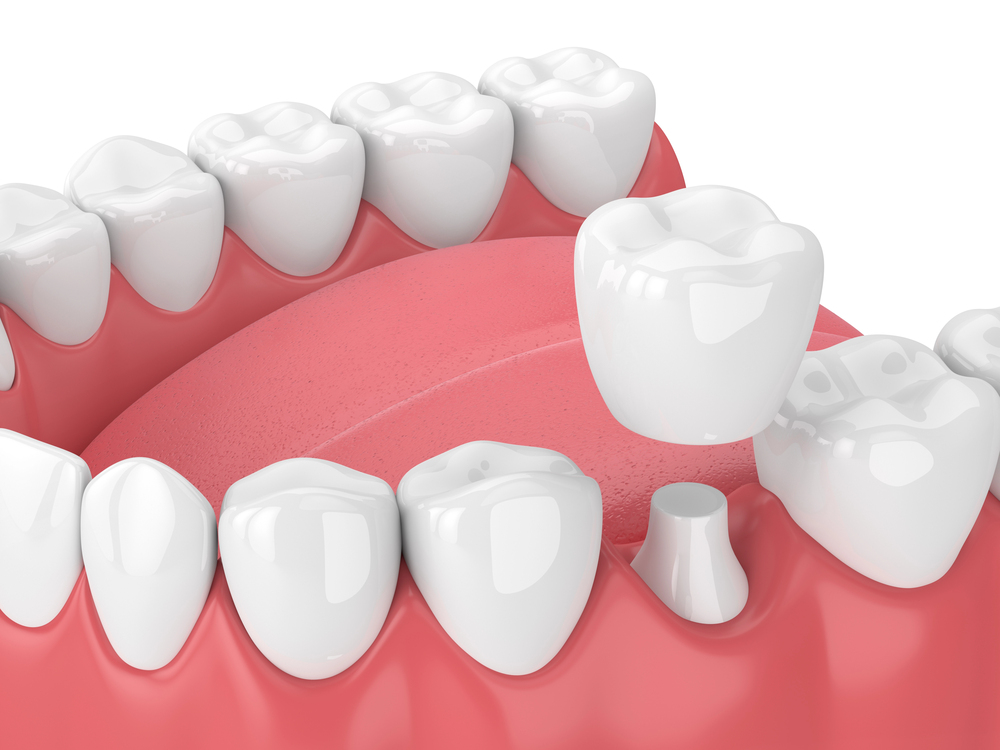
A dental bridge literally bridges the space left by one or more missing teeth. A traditional bridge has two main parts: the replacement tooth, called a pontic, and the supporting crowns on either side, which fit over the neighboring natural teeth. Those neighboring teeth are called abutment teeth, and they hold the bridge securely in place. Because the bridge is fixed rather than removable, you don't take it out at night the way you would with a denture.
Bridges help adults who have lost a tooth to decay, injury, or extraction and who have healthy teeth next to the gap. For example, a patient who had a badly damaged premolar removed might choose a bridge to close that space. Since we also place crowns, dental implants, and partial dentures, we can talk through how a bridge compares with your other choices for your specific situation.
A bridge relies on the teeth beside the gap, so the health of those teeth matters a great deal. During a dental exam, one of our dentists, Dr. Ermias Mehretab, Dr. Zachary Coleman, or Dr. Andrew Kassman, will look closely at the surrounding teeth and gums to decide whether a bridge is a good fit. If an abutment tooth needs a filling or even root canal therapy first, we can often handle that care in our own office.
It also helps to know that the abutment teeth are reshaped so the crowns can fit over them. For some patients, especially those whose neighboring teeth already have large fillings or could benefit from crowns anyway, that is a practical advantage. For others with untouched, healthy neighboring teeth, an implant may be worth discussing. We'll explain the trade-offs plainly so you can make a decision you feel good about.
Who is a good candidate for a dental bridge?
A good candidate is usually someone missing one or a few teeth in a row who has strong, healthy teeth on either side of the gap. Beyond that, a few factors help us decide:
- The condition of the teeth next to the space, including any existing decay or large fillings
- The health of your gums, since healthy gums support long-term success
- How many teeth are missing and where they are located in your mouth
- Your preferences about fixed versus removable options, and your budget
If a bridge isn't the right match, we offer other forms of tooth replacement, including dental implants and partial dentures. Our goal is to recommend what suits your mouth, not to steer you toward one option.
How do I care for my bridge, and how long will it last?
You care for a bridge much like your natural teeth: brush twice a day, clean daily, and keep up with regular checkups. The area under the pontic needs special attention, because food and plaque can collect there. Our dental hygienist can show you how to clean beneath your bridge with tools such as floss threaders, so you can keep the supporting teeth and gums healthy.
How long a bridge lasts depends largely on the health of the abutment teeth and on your daily habits. Routine dental cleanings and exams let us check the bridge, the crowns, and the surrounding gums so we can spot small issues early. If something ever feels loose or uncomfortable, we offer emergency dental appointments, so you don't have to wait long to be seen.
Will insurance cover a bridge, and can I finance it?
Many patients find that their dental plan helps cover a bridge, and we accept most dental insurance plans. Our team can review your benefits with you before treatment so you have a clear picture of what to expect. We also welcome self-pay patients.
If you'd like to spread out the cost, we offer financing through Sunbit and CareCredit. These options can make it easier to move forward with treatment now instead of postponing it. If you feel nervous about dental work, we also offer nitrous oxide and IV sedation to help you feel more comfortable during your visit.
How do I get started with a bridge in Phoenix?
The first step is a consultation and exam with our team. Because we offer flexible scheduling, including early mornings, late evenings, and weekends, it's easier to fit your visit around work, school, and family. We see patients from Phoenix, Chandler, and the surrounding communities.
If a gap in your smile has been bothering you, we'd love to help you explore whether a bridge is right for you. Contact our office to schedule your appointment, and let us help you restore a complete, comfortable smile.
The process
What to expect
- 1
Exam and Consultation
Our dentists examine your mouth and talk with you about whether a bridge or another tooth replacement option fits your needs.
- 2
Preparing Your Bridge
We prepare the supporting teeth and place your bridge to restore your bite and smile.
- 3
Ongoing Care
Regular exams and cleanings with our hygienist help keep your bridge and surrounding teeth healthy.
Questions
Bridges FAQs
How much does a dental bridge cost, and will my insurance help pay for it?
The cost of a bridge depends on how many teeth are being replaced and the materials involved, so we provide a personalized estimate after your exam. We accept most dental insurance plans and will help you understand your coverage. We also welcome self-pay patients and offer financing through Sunbit and CareCredit to help make treatment more manageable.
Does getting a dental bridge hurt?
Most patients feel little to no discomfort during the procedure because we numb the area with local anesthesia before we begin. If you feel anxious about dental visits, we also offer nitrous oxide (laughing gas) and IV sedation to help you stay relaxed. Our team checks in with you throughout so you always feel comfortable.
How long does it take to get a bridge?
A traditional bridge usually takes more than one visit, with time in between while your custom bridge is made. At your first appointment, we prepare the supporting teeth and take the measurements needed to create your restoration. We offer early morning, late evening, and weekend appointments, which makes it easier to fit each visit into your schedule.
How long does a dental bridge last?
How long a bridge lasts varies from person to person and depends largely on your daily brushing and flossing, your regular checkups, and your overall oral health. Keeping the supporting teeth and gums healthy is key, since they hold your bridge in place. During your routine exams and cleanings, our dentists and hygienists can check your bridge and help you care for it.
Am I a good candidate for a bridge, or are there other options?
A bridge may be a good fit if you are missing one or more teeth and have healthy teeth nearby that can support it. We also offer other ways to replace missing teeth, including dental implants, partial and complete dentures, and implant-supported dentures. Dr. Mehretab, Dr. Coleman, or Dr. Kassman will examine your smile and talk through which option best suits your needs and goals.